Keynote Speakers
Explore the program for the 2026 Conference, Creating Inclusive Futures — keynote speakers, our invited session, and the full three-day schedule.
Keynote Speakers
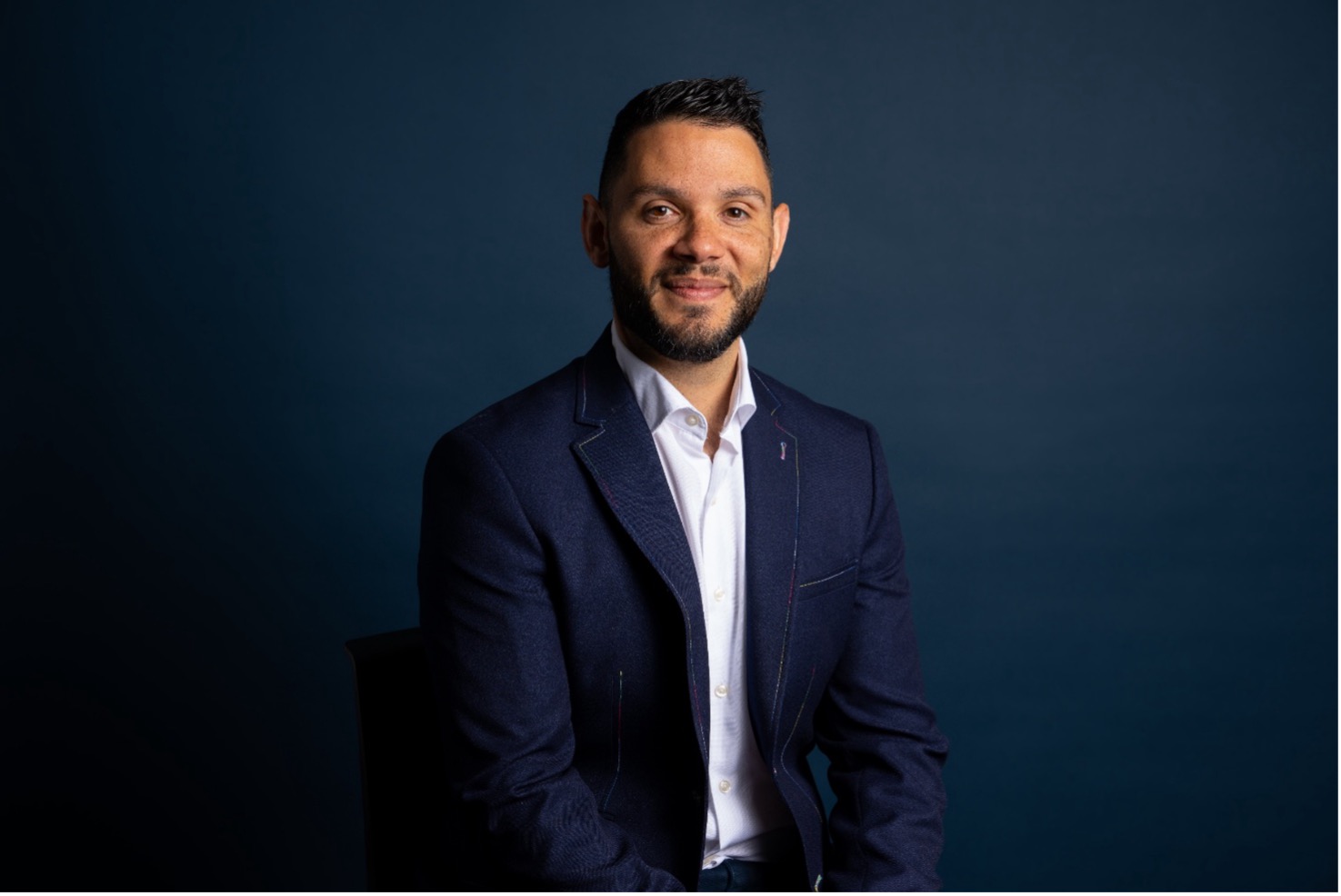
Professor Braden Hill
Deputy Vice-Chancellor (Students and Education)Edith Cowan University
Professor Braden Hill (he/him) is a Noongar (Wardandi) man from the south-west of Western Australia and Deputy Vice-Chancellor (Students and Education) at Edith Cowan University (ECU), where he leads a portfolio spanning teaching and learning, student experience, access and equity, student success, and graduate outcomes. A trained secondary teacher, Professor Hill brings both professional expertise and personal insight to conversations about educational access, pathways and opportunity. Having entered university through a non-ATAR pathway, he is a strong advocate for broadening participation and ensuring higher education remains accessible through diverse entry pathways.
He has held several senior leadership roles at ECU, including Deputy Vice-Chancellor (Students, Equity and Indigenous), Pro-Vice-Chancellor (Equity and Indigenous), and Head of Kurongkurl Katitjin, ECU’s Centre for Indigenous Australian Education and Research. Prior to joining ECU, he was Director of Aboriginal Education, Equity and Inclusion at Murdoch University.
Professor Hill is nationally recognised for his leadership in Indigenous and LGBTQIA+ research, and for his work advancing equity, inclusion and student success across higher education. He also reaches a wide public audience through social media, with more than 70k followers on TikTok, using the platform to translate education, equity and policy issues for broader community impact.
Inclusive assessment in the generative AI era
A joint keynote presented by Dr Nicole Crawford & Sue Sharpe
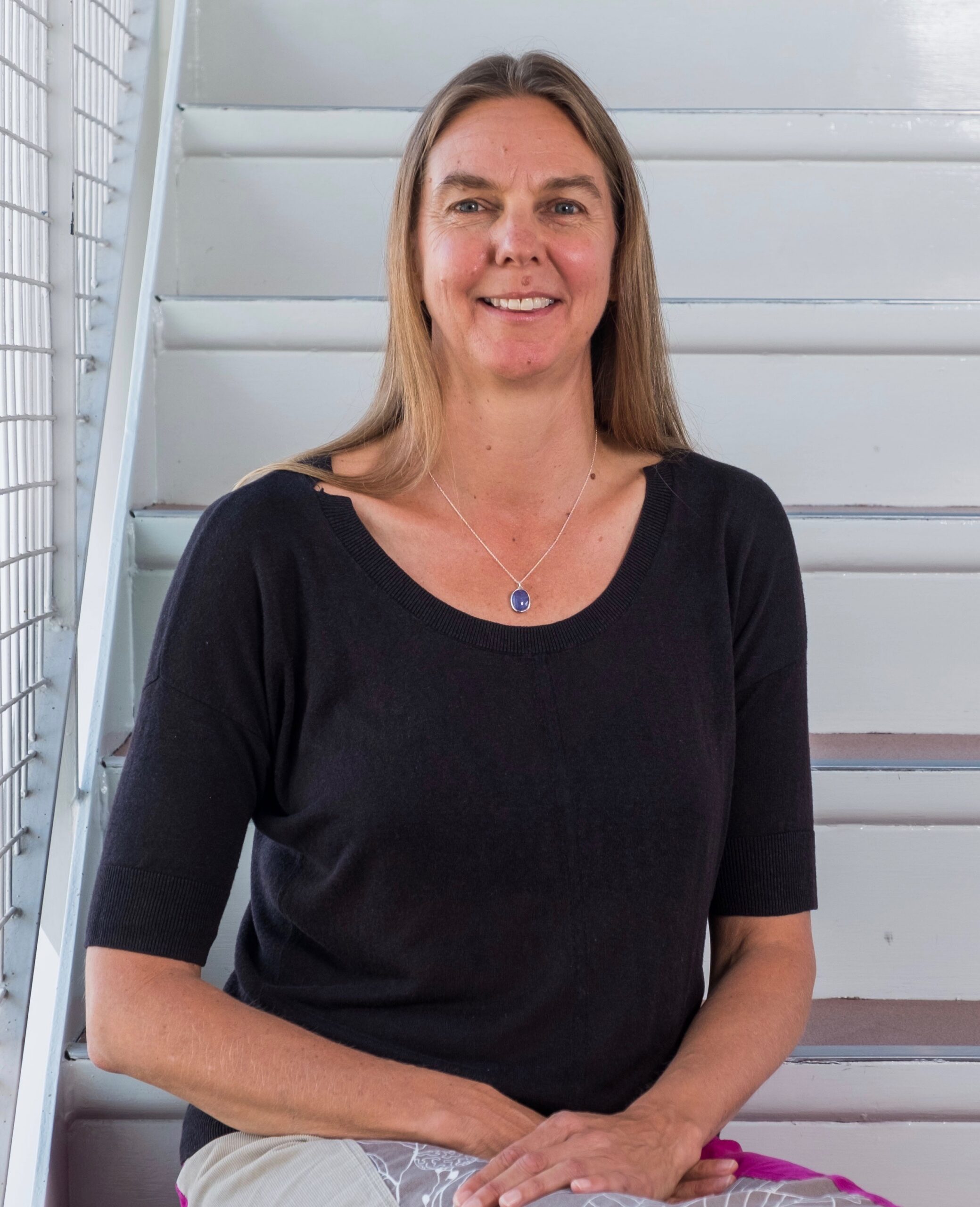
Dr Nicole Crawford
Senior Research FellowCentre for Research in Assessment and Digital Learning (CRADLE), Deakin University
Nicole Crawford is a researcher and educator in higher education, working at the Centre for Research in Assessment and Digital Learning (CRADLE) at Deakin University. She previously had roles at the National Centre for Student Equity in Higher Education and taught in the University Preparation Program at the University of Tasmania. She initiated the NAEEA Special Interest Group on Mental Health. Her work focuses on equity and inclusion, student and staff wellbeing, and the opportunities and challenges of artificial intelligence in higher education. She is particularly interested in creating more inclusive and supportive learning environments in a rapidly changing higher education landscape.
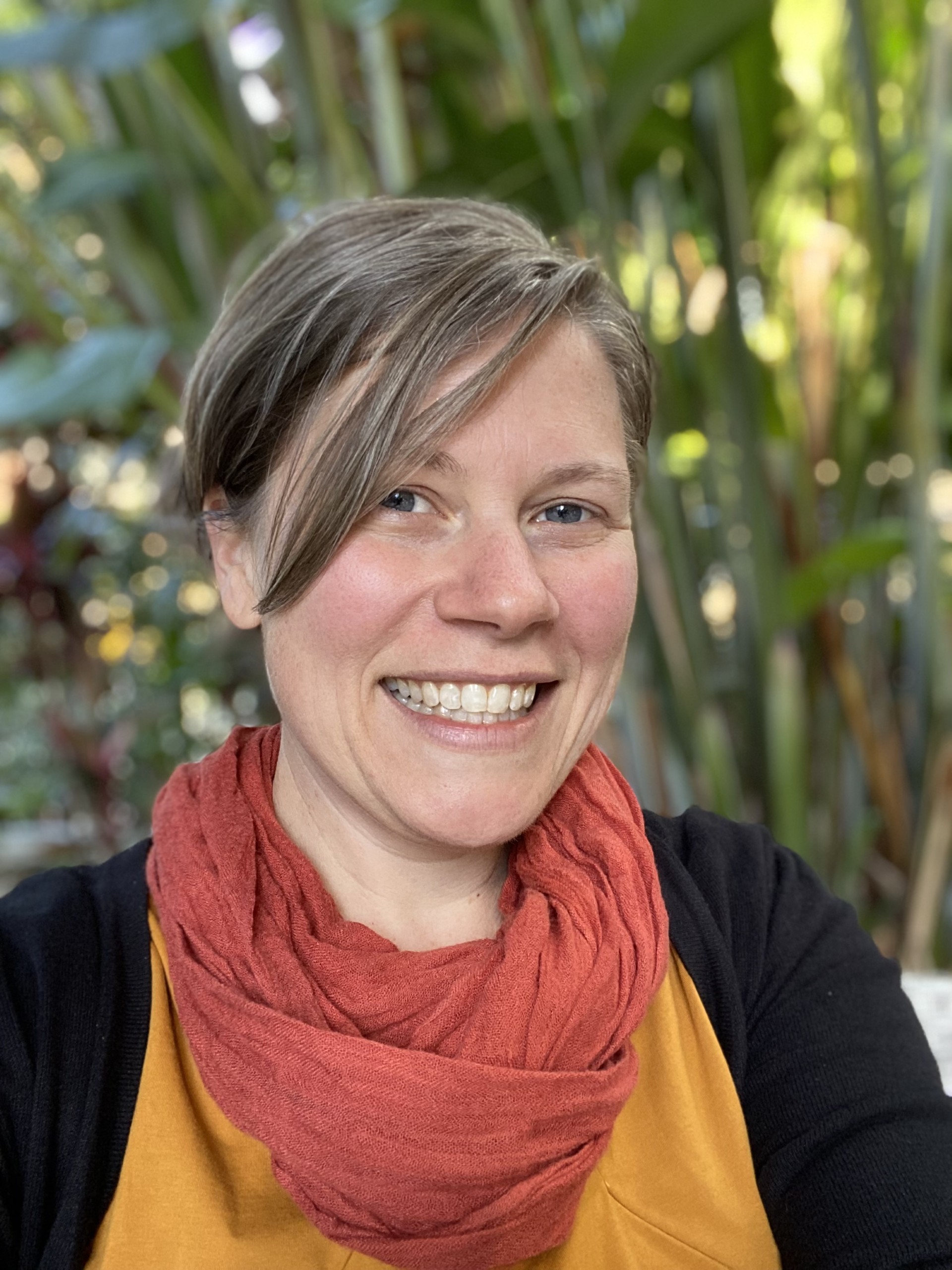
Sue Sharpe, SFHEA
Lecturer, Artificial Intelligence and Inclusive EducationDeakin Learning Futures, Deakin University
Sue Sharpe is the Lecturer of Artificial Intelligence and Inclusive Education at Deakin University, where she leads academic development initiatives with a strong equity focus. Her work addresses emerging challenges in higher education, including assessment reform in the age of generative, agentic, and wearable AI.
Sue has a pragmatic approach to inclusion, grounded in over 15 years’ experience in higher education, both inside and outside the classroom. She has held roles spanning professional, academic and management spaces, including program director of a Bachelor of Health Science. Her leadership in curriculum renewal and academic capability-building has driven improvements in student retention and engagement.
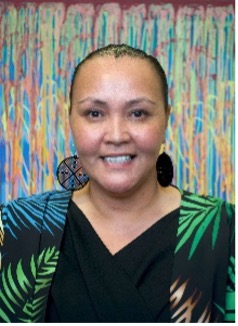
Dr Jacinta Oldehaver
PhD, MEd, PGDip, BEd, Dip Tchg — Associate Head of School (Pacific), Senior Lecturer (School of Education & Social Practice)Arts and Education, Waipapa Taumata Rau | The University of Auckland
Jacinta Oldehaver currently serves as Associate Head of School (Pacific) in the School of Education and Social Practice and a Senior Lecturer with extensive experience across primary education, professional learning and development, and tertiary education. She teaches in the Initial Teacher Education (undergraduate) programme, specialising in primary literacy and dialogic pedagogy. She also teaches postgraduate courses in Contemporary Pedagogies and Research Methods and supervises doctoral candidates.
Her research is grounded in partnerships with schools and communities across Aotearoa New Zealand, the Pacific, and South America. Through collaborative and co-design approaches, she focuses on enhancing critical discourse, strengthening teacher practice, and improving Pacific education and literacy outcomes.
Jacinta has led Ministry of Education evaluation research and was Co-Principal Investigator on Te Pae Tawhiti, a cross-faculty research initiative exploring equity in STEM education for Māori and Pacific learners and women, in collaboration with the Faculty of Engineering. She is also an advisor on Tupu, a multi-year initiative that supports teachers and school leaders to build capability in inclusive education practices across five Pacific nations — the Cook Islands, Niue, Fiji, Tonga, and Vanuatu. Her methodological expertise includes design-based research and Pacific research methodologies, particularly Talanoa-informed approaches.
Invited Session
The impact of Enabling programs on students’ academic success and retention across eight universities: A propensity score modelling approach
Abstract
In Australia, “Enabling programs” (also called Enabling pathways) are fee-free, government-funded preparatory programs designed to assist students gain the academic confidence and skills to succeed in university study. Although study options vary, Enabling programs were found to have highly comparable learning outcomes in foundational mathematics, academic communications and study preparation, as well as teaching and learning practices (Davis et al., 2023). In 2020 there were 48 Enabling programs across Australia (Habel et al., 2016), attracting 32,579 student enrolments (Department of Education, 2022).
This study was a collaboration of eight Australian universities, using a propensity score modelling approach to estimate the impact of Enabling on students’ later retention and success in their first two years of undergraduate study. Students who followed through with higher education enrolment from Enabling programs were matched with near-peer students who did not undertake Enabling, allowing retention and subject pass rates to be compared. The matching process used administrative data routinely captured by the eight universities at the time of application and enrolment to identify near peers. These data included: students’ age; socio-economic status; parental education or first-in-family status; Indigeneity; alternative pathways into higher education; and self-identified disability; as well as course load, field of study, retention and pass rates during their first two years of formal study.
The strongest finding from the study was that Enabling helped students remain engaged in higher education in their first year of a higher education qualification rather than improve academic pass rates. The clearest evidence was the statistically significant Year 1 retention advantage (+2.5 percentage points), with greater benefits for students experiencing disadvantage. Notably, the retention benefits of Enabling increased as disadvantage accumulated.
Academic success outcomes were more mixed and varied across institutions, student contexts, and across Year 1 and 2. The finding suggests that the benefits of Enabling for students’ later academic achievement may be influenced by the alignment between the program and the expectations and supports provided within their subsequent learning environment.
By Year 2, retention differences largely disappeared. This suggests that Enabling’s greatest contribution may be two-fold: providing students, notably equity students, the opportunity to exercise agency by trying higher education before committing to its costs and time, reducing attrition; and helping these students develop the skills and knowledge necessary to navigate the critical first year of undergraduate study, increasing retention.
Presenters

A/Prof Stuart Levy
Associate Dean, Cooperative EducationInstitute of Education, Arts and Community, Federation University
Associate Professor Stuart Levy is the Associate Dean, Cooperative Education in the Institute of Education, Arts and Community, Federation University.
Stuart has worked in higher education access pathways in regional Victoria for more than two decades. He has expertise in developing, designing and implementing pathways for non-traditional and under-represented student groups to support wider participation in post-secondary education. This work has included national and international collaborations and has been previously recognised with an Australian national award.
Stuart has an established record in leading academic staff teams in the delivery of sustainable, impactful pathway programs that underpin subsequent student achievement in higher education.
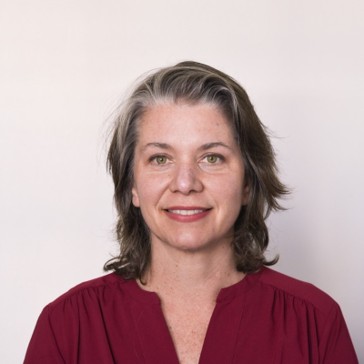
Dr Patricia Vermillion Peirce
Senior Research FellowSchool of Education, Deakin University
Dr Patricia Vermillion Peirce is a Senior Research Fellow in the School of Education, Deakin University.
Patricia is an evaluation specialist, with over 20 years of experience designing and undertaking evaluations for a wide range of international governments, agencies and institutions. She has held numerous roles across government, academia and consultancy, providing evaluation services across the Pacific, Asia, the Middle East, North America, Australia, and New Zealand. Her experience spans small-scale pilot studies to estimating the impact of national programs and multi-country initiatives. Her work bridges strong methodology with usability and accessibility, ensuring that evidence is not only robust but also trusted and applied. Driven by a commitment to equitable outcomes, Patricia uses evidence as a conduit for achieving meaningful impact.
Full Program
Draft program as at 14 October 2026 — subject to change. For information: hello@naeeaconference.com.au
Workshops · 12:30 – 1:10pm
Generative AI and student learning: What makes for effective pedagogy in Enabling Education?
Dr John Pike, Dr Daniel Lee, Marie Abi Abdallah, Adelaide University; Dr Darren Swanson, Dr Grant Andrews, Dr Rena MacLeod, Dr Trixie James, CQUniversity; Dr Raquel Salmeron, University of Southern Queensland; Dr Rhian Morgan, James Cook University; Selena Dhondea-Tenakov, Edith Cowan University
Curriculum Design Principles for Enabling programs: Co-designing a National Framework
Bronwyn Relf, University of Newcastle; Lisa Moody, James Cook University; Michelle Briede, Federation University; Onur Ateş, Monash University; Amanda Daly, Griffith University
What can we learn from a decade of NAEEA conferences? Findings and Insights from A Comprehensive Review of NAEEA Conference Papers and Publication Outcomes – 2013 to 2024
Dr Jo Hanley, Dr Kristen Allen, Dr Zoe Griffiths, Ms Zlata Johnson, Dr Heath Jones, Miss Rebecca Smith, Ms Isabel Whittle-Jones, University of Newcastle; Dr Susan Hopkins, University of the Sunshine Coast
Workshops · 1:15 – 1:55pm
Trauma-Informed Teaching in Non-Traditional Spaces: Stories, Scholarship and Strategies
Anita Maclaurin, Murdoch University; Dr Angela Jones, Edith Cowan University; Dr Gemma Mann, Ana Larsen, CQUniversity; Dr Susan Hopkins, University of the Sunshine Coast
Assessment Design within In-School University Pathway Programs
Selena Dhondea-Tenakov, Michael Howie, Edith Cowan University; Helen Rogers, UWA; Amanda Daly, Griffith University; Susan Shaw, Rebekah Sturniolo-Baker, Murdoch University; Cinzia Loddo, University of Notre Dame
Unifying Mathematics
Debra Monteith, Murdoch University; Michael Brickhill, Kerrie Stimpson, Southern Cross University; Niharika Singh, University of Southern Queensland; Daya Weerasinghe, Federation University; Hermina Conradie, Brijesh Kumar, CQUniversity; Glynne Bartle, Edith Cowan University; Angela Hames, Flinders University; Jane Stratton, University of Tasmania
Workshops · 2:00 – 2:40pm
Embedding feedback literacy in Enabling Education: Evidence-informed principles and guidance for Enabling Educators
Dr Kieran Balloo, Dr Liz Goode, Southern Cross University; Dr Raquel Salmeron, University of Southern Queensland; Dr Susan Hopkins, University of the Sunshine Coast; Mr Peter Power, University of Newcastle
Start Strong: Building Self-Efficacy in Enabling Education – Insights, Practice, and Co-Design
George Lambrinidis, Matilda Coleman, Charles Darwin University; Amy Robinson, Adelaide University; Angela Jones, Edith Cowan University; Trixie James, Ana Larsen, CQUniversity
Enabling students’ perceptions on academic writing at university: A metaphor analysis
Dr Billy Setiawan, Dr Kimberly Williams, CQUniversity
Workshops · 3:10 – 3:50pm
Understanding your realm of influence when supporting diverse students
Ana Larsen, CQUniversity
The FEE-FREE UNI Ready Project Findings: Educational Disadvantage and ‘Uni-Readiness’
Anna Bennett, Michelle Mansfield, Kristen Allen, Georgia Way, The University of Newcastle
Using Practitioner-led Enhancement Trials (PETs) to inform evidence-based improvements in Enabling Education
Ms Jillianne Segura, Mr George Lambrinidis, Ms Anjilin Lata, Ms Anastasia Maksimova, Charles Darwin University; Dr Patricia Vermillion-Peirce, Deakin University
Supporting students in navigating generative AI through Critical Enabling Pedagogies
Dr John Pike, Adelaide University
Taking that first step with cultural safety and security: co-designing a course to maximise confidence, engagement, and capability in Aboriginal and Torres Strait Islander enabling students
Dr Paul ‘Nazz’ Oldham, Anna Schkabaryn, Michelle Anderson, Adelaide University, Pathways College
Case Study: Liverpool Study Hub – Enacting Inclusive Higher Education and Bridging Community and Tertiary Education
Mr Garth Brennan, Liverpool Study Hub
Language learning strategies of refugee and CaLD background students in university pathway programs
Heidi Hetz, Snjezana Bilic, Adelaide University; Noraisha Oyama, Zeyad Khalifa, Murdoch University
The Weaving Ways Framework: A First Nations-Informed Analytical Framework for Enabling Education
Charlene Jackson, University of Southern Queensland
Leading Inclusion from the Bottom Up
Karla Portch, University of Queensland
Parallel Session 1 · 11:00 – 11:25am
Under theorised but still making a difference: A review of Australian Enabling program literature and self-efficacy
Ana Larsen, CQUniversity
Globally declining digital literacy amongst high school students: Action research at UQ College, and challenges and implications for Enabling Education
Victoria Russell, Karla Portch, University of Queensland
“Doing” feedback — Improving feedback literacy is everyone’s business
Dr Kimberly Williams, Ms Gabriela Toth, CQUniversity
Beyond the metrics: making participation possible and change inevitable
Ms Janet Turley, Dr Luke Ryan, Ms Judi Warmerdam, Dr Susan Hopkins, Ms Anne Kerridge, University of the Sunshine Coast
Why Choose a Diploma? Understanding Student Motivations and Expectations Across Four Australian Universities
Heath Jones, University of Newcastle; Natasha Wilson, Adelaide University; Johanna Nieuwoudt, Southern Cross University; Lili Zhang, University of Canberra; Henry Lee, University of Wollongong
Parallel Session 2 · 11:30 – 11:55am
Pathways to Success: Evaluating the Impact of In-School Enabling programs on Equity and Student Success
Dr Angela Jones, Dr Joanne Lisciandro, Dr Fiona Navin, Edith Cowan University
Generative AI Adoption in Enabling Education: navigating tensions
Dr Michael Brickhill, SCU; Dr James Valentine, CDU; Dr Trixie James, CQUniversity
Do Written and Oral Assessments Measure the Same Mathematical Competence? Evidence from an Enabling Mathematics Course
Dr Sima Hajilarova, Dr Daya Weerasinghe, Dr Nargiz Sultanova, Federation University
Student Perspectives of Belonging in a University Preparation Program: A Photovoice Study
Dr Lalitha Velautham, Dr Angela Hames, Flinders University
Bridging Two Transitions: Curriculum Design, Transition Pedagogy and In-School Enabling programs
Mrs Helen Rogers, Mrs Lisa Griffith, UWA
Parallel Session 3 · 1:00 – 1:25pm
Setbacks, challenges and attrition in FFUR programs
Dr Matthew Bunn, James Cook University; Dr Kieran Balloo, Southern Cross University; Dr Emma Hamilton, University of Newcastle
Pathways and Prompts: Empowering learning through AI scaffolding, navigating ethical use, and building competence in higher education computing and anatomy enabling courses
Ms Monica Thai, Mrs Marie Abi Abdallah, Adelaide University
The Labour of Learning: Examining the hidden curriculum of Enabling Education
Jane Habner, Lauren Butterworth, Grace Chipperfield, Katharine Perrotta, Flinders University
Valuing lived experience in Enabling Education: A good practice guide for recognising and rewarding diverse student voice
Sarah Ellis, UTS
Designing Enabling curriculum with the holistic needs of the learner in view
Dr Joanne Lisciandro, Dr Angela Jones, Edith Cowan University; Anita Maclaurin, Murdoch University
Parallel Session 4 · 1:30 – 1:55pm
Starting Strong, Building Capital: Expanding Critical Enabling Pedagogy Across Undergraduate Cohorts
Dr Nazz Oldham, Dr Alice Betteridge, Adelaide University
A Scalable AI Feedback Model for Equitable Academic Writing Support
A/Prof Andrew Pearson, Dr Barbara Hadley, Ms Claire Chapman, Ms Anh Do, A/Prof Jason Peart, Griffith University
Truth Telling, Renarrativisation, and Belonging: The Peregrination Pedagogical Framework for Supporting Equity Students
Dr Trixie James, CQUniversity
Approaches and interventions to overcome student math trauma and math anxiety in Enabling Education
Dr Joanne Lisciandro, Edith Cowan University; Debra Monteith, Murdoch University
Parallel Session 5 · 2:00 – 2:25pm
From the Margins to the Centre: Enabling Education as a Maturing Academic Sub-discipline
Dr Charmaine Davis, UniSQ
Reel Engagement: AI videos – resonating, rejecting or reassessing?
Kelly Hart, Rachel Massaro, Federation University; Dr Aimee Turner, LaTrobe University
More than just an entry pathway, it is about finding your way. The redesign of the UNSW University Preparation Program and the hidden curriculum
Dr Dominic Fitzsimmons, Louisa Cardinale, UNSW
Holding the Space: What Supporting a Student with Profound Communication Needs Revealed About Enabling Education
Dr Bianca Price, Adelaide University
Implementing a new Enabling course structure: student perspectives
Dr Rebekah Sturniolo-Baker, Dr Noraisha Oyama, Anita Maclaurin, Dr Sarah Courtis, Kelly Boyland, Deb Monteith, Sue Shaw, Nicola Davidson, Murdoch University; Dr Jo Lisciandro, Edith Cowan University
Parallel Session 6 · 2:30 – 2:55pm
Are we all having fun? Using technology to provide equivalent science experiences for equity and online students
Dr Karin Strehlow, Dr Zablon Njiru, Dr Jacqueline Loo Luy, Dr Noraisha Oyama, Murdoch University
Redefining Success Through Student Agency: The Future of Enabling Education
Dr Kristen Allen, The University of Newcastle
A recipe for interactive oral assessment preparation
Kelly Hart, Federation University
A Whole-of-University Approach to Creating Accessible Learning Environments for Students with Intellectual Disability
Mrs Eileen Sweeney, Mr Matthew Turnbull, A/Prof Fiona Rillotta, Flinders University
“In Australia, like a newborn child, I must learn many things”: Diverse journeys of refugee students into university
Heidi Hetz, Snjezana Bilic, Adelaide University
Inclusive assessment in the generative AI era
Dr Nicole Crawford & Sue Sharpe, SFHEA
View full details ↑Parallel Session 7 · 10:30 – 10:55am
Enabling University Education for Students with Intellectual Disability
A/Prof Fiona Rillotta, Mrs Eileen Sweeney, Professor Sally Robinson, Professor Chris Brebner, Flinders University
Using AI to Strengthen Rubric Design in Enabling Education: An Ethical AI Coaching Approach
Dr Raquel Salmeron, Dr Fabiane Ramos, Dr Rian Roux, Dr Niharika Singh, University of Southern Queensland
Case-based learning informing curriculum renewal in a diploma-level mathematics unit
Dr Michael Brickhill, Dr Rikki Quinn, SCU
Enabling Educators navigating meritocratic and social justice discourses
Ana Larsen, CQUniversity
Advancing inclusive STEM pathways: Insights from national benchmarking of Enabling science education
Dr Cinzia Loddo, The University of Notre Dame Australia; Dr Joanne Lisciandro, Ms Sharon Gough, Edith Cowan University; Dr James Valentine, Charles Darwin University; Dr Anthea Fudge, Adelaide University; Ms Kelly Boyland, Murdoch University; Dr Kerrie Stimpson, Southern Cross University; Ms Vicki Kiaos, Australian Catholic University
Parallel Session 8 · 11:00 – 11:25am
What Drives Student Success in Enabling Education? A SEM Study
Dr Wahid Murad, Adelaide University
Exploring, Creating, Connecting: Interactive Assessment and Digital Literacies in the Age of AI
Katrina Johnston, Michelle Gray, CQUniversity
Student Attitudes Towards AI Use in Enabling programs
Grace Chipperfield, Lauren Butterworth, Jane Habner, Katharine Perrotta, Flinders University
Being the One in a Sea of None: Creating Inclusive Protective Factors in Enabling Education
Ms Joanna Purchase, Edith Cowan University
Inclusive and innovative teaching to empower students in Enabling programs
Dr Alice Betteridge, Dr Natasha Wilson, Adelaide University
The impact of Enabling programs on students’ academic success and retention across eight universities: A propensity score modelling approach
A/Prof Stuart Levy & Dr Patricia Vermillion Peirce
View full details ↑Parallel Session 9 · 1:00 – 1:25pm
Mapping the intellectual base of Enabling Education: Citation practices, interdisciplinarity and subdisciplinary formation
A/Prof Jonathan Green, Dr Charmaine Davis, UniSQ
Earning the Right to Use Generative AI: Back-to-basics academic writing for international pathway students
Ms Jennifer Murphy, Dr Katalin Dobos, Murdoch College
Rethinking Academic Reading Support in Enabling programs: Implications for Students and Educators
Dr Snjezana Bilic, Dr Heidi Hetz, Dr Min Pham, Adelaide University
Social justice, incivility, and the classroom: Navigating trauma informed advocacy in Enabling
Dr Gemma Mann, Carmen Barnard, CQUniversity
Enabling Mathematical Confidence: Affective Factors Addressed
Debra Monteith, Murdoch University; Michael Brickhill, Kerrie Stimpson, Southern Cross University; Niharika Singh, University of Southern Queensland; Daya Weerasinghe, Federation University; Hermina Conradie, CQUniversity
Parallel Session 10 · 1:30 – 1:55pm
Are we FFURies now? A critical reflection on the changing nature of Australian Enabling Education and educator identity
Dr Rhian Morgan, Ms Lisa Moody, James Cook University
“What Are You Thinking?”: Understanding CALD Students’ Academic Writing Practices with Generative AI
Tamra Ulpen, Adelaide University
Making Sense of Feedback: Developing Learner Agency Across Tutor, Peer and AI-Supported Feedback
Dr Lauren Butterworth, Dr Grace Chipperfield, Ms Jane Habner, Ms Katharine Perrotta, Flinders University
Building Better Programs: A Practical Toolkit for Program Design and Evaluation
Naia Robinson, UWA
From Checkpoints to Capability: Programmatic Learning for Inclusive Pathway Critical Thinking
Dr Robrecht Herfkens, Edith Cowan College
Parallel Session 11 · 2:00 – 2:25pm
How can NAEEA provide firmly established Numeracy Support?
Dr Michael Brickhill, SCU; Dr Raquel Salmeron, Emeritus Professor Linda Galligan, UniSQ; A/Prof Leanne Rylands, WSU; Dr Ken Ly, Sydney; Dr Joshua Peate, Macquarie
Evolution and Impact of a GenAI Guide: Year 12 to University
Selena Dhondea-Tenakov, Dr Juliana Peloche, Edith Cowan University
The Write Question: In the age of AI, is the essay still fit for purpose in Enabling Education?
Katharine Perrotta, Jane Habner, Professor Kris Natalier, Dr Lauren Butterworth, Dr Grace Chipperfield, Flinders University
Creating Digital Sanctuaries: Co-Designing Virtual Sensory Spaces for Neurodivergent Learners
William Napa, Debi Howarth, Torrens University Australia
UniReady and Beyond: Four Transformative Journeys into Higher Education
Dr Onur Ateş, Dr Nihal Akdere, Macquarie University College